In the cafeteria before going to work,UCC BLACK Unsweetened (Lingering Black Aftertaste)I was thinking about it while drinking.
One company reportedly received approximately 260,000 AI application ideas from its employees.
Moreover, some of these projects have even progressed to commercialization.
The notion that "AI is only for a select few experts" may be fading away.
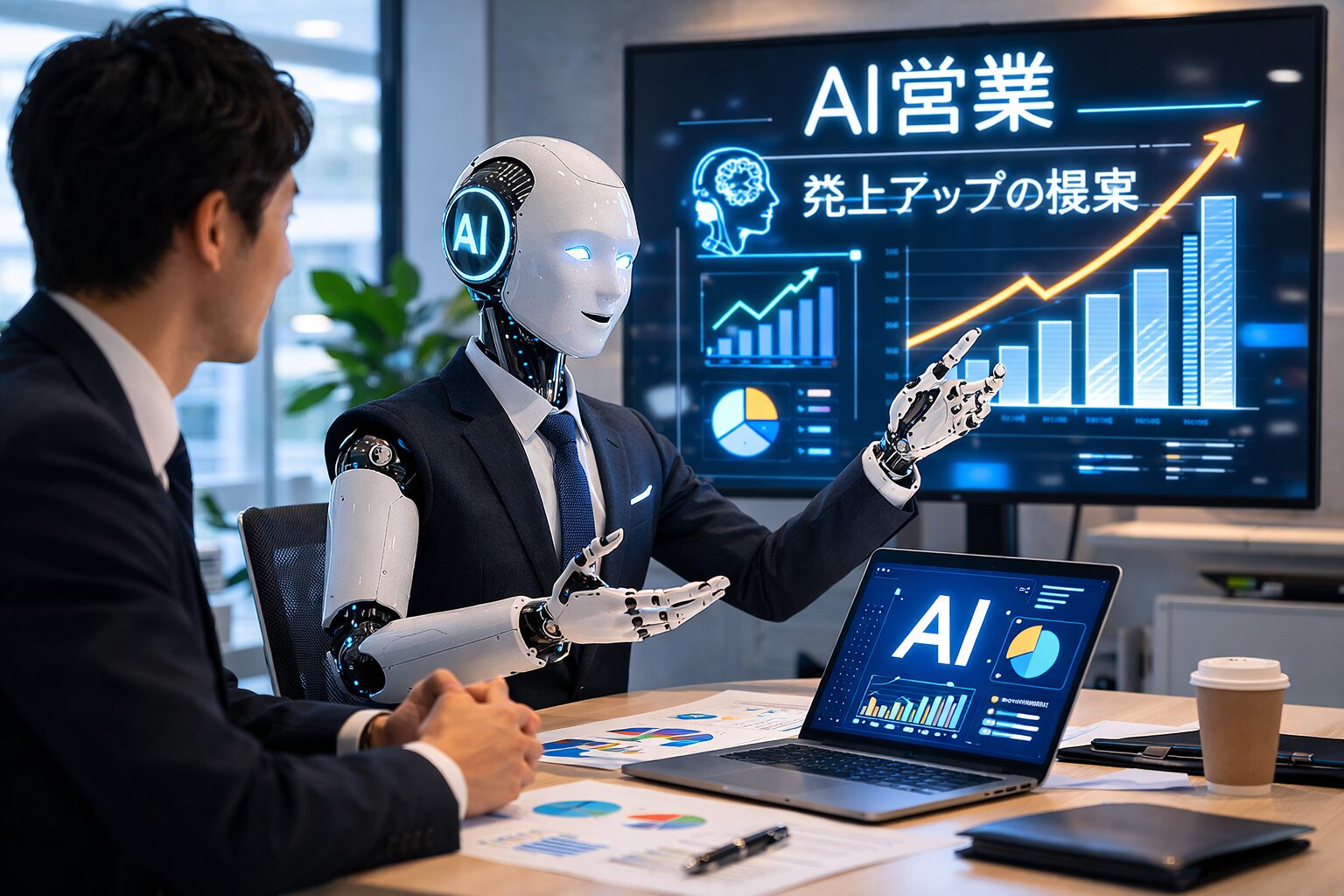
Today, I'd like to explore how the use of AI, which started in the field, is changing our perception of work.
What's distinctive is that it's not solely a top-down approach.
for exampleSoftBank GroupSo, we held a generative AI contest to widely solicit ideas from employees. In some cases, the winner becomes the head of an AI project.
on the other hand,Mitsubishi UFJ Bankis a startupSakana AIWe are collaborating with them to develop AI that assists in the creation of loan application documents. We are trying to add another dimension to the decision-making process, which has previously been heavily reliant on individual judgment.
Even in the manufacturing field,BoschThe Japanese subsidiary of [company name] is using AI generation for VR training and manual conversion, achieving both reduced work time and the development of young employees.
What they all have in common is the idea of "expanding the range of what one person can do," rather than "reducing the number of people with AI."
By entrusting repetitive tasks and information organization to AI, we free up time. This time can then be used for decisions and conversations that only humans can perform.
Efficiency is merely the starting point; the essence lies in "improving the quality of work and expanding the scope of responsibilities."
At SoftBank, AI agents are becoming a common language within the company. At Mitsubishi UFJ Bank, it was described as "having someone to consult with at all times."
Some in the manufacturing field say that a task that used to take three hours has been cut in half, allowing them to allocate that time to other improvements.
It's not just how we use our time that changes here.
The barrier of "I can't do it because I don't have the experience" is becoming a little lower. Younger employees write the code, and veterans focus on more advanced design. A quiet redesign of roles is underway.
AI isn't magic, but it's definitely starting to change the way we work.
Rather than reducing busyness, it might be a tool that, depending on how you use it, creates "space for thinking."
Well, it's almost time for morning work to begin.
This morning, I was thinking about which parts of today's tasks to entrust to AI and which to handle myself, while sipping on a delicious can of UCC Black coffee.